Introduction
Choosing a checking account may seem like a simple decision, but the wrong account can cost you money through fees, limited access, and poor banking features. Many Americans open the first account they find without comparing options, only to discover later that it doesn’t fit their lifestyle or financial goals.
In today’s digital world, checking accounts offer much more than a place to store money. They provide tools for budgeting, mobile banking, bill payments, direct deposits, and everyday spending. Whether you’re a college student, working professional, retiree, or small business owner, selecting the right account can help you manage your finances more effectively.
This guide will explain how to choose the right checking account for your needs, what features matter most, and how to avoid common banking mistakes.
What Is a Checking Account?
A checking account is a bank account designed for everyday financial transactions. Unlike savings accounts, checking accounts allow frequent deposits, withdrawals, purchases, and bill payments.
Most Americans use checking accounts for:
- Receiving paychecks through direct deposit
- Paying monthly bills
- Shopping online and in stores
- Withdrawing cash from ATMs
- Sending and receiving money electronically
Because checking accounts are used regularly, choosing the right one can have a significant impact on your daily financial life.
Why Choosing the Right Checking Account Matters
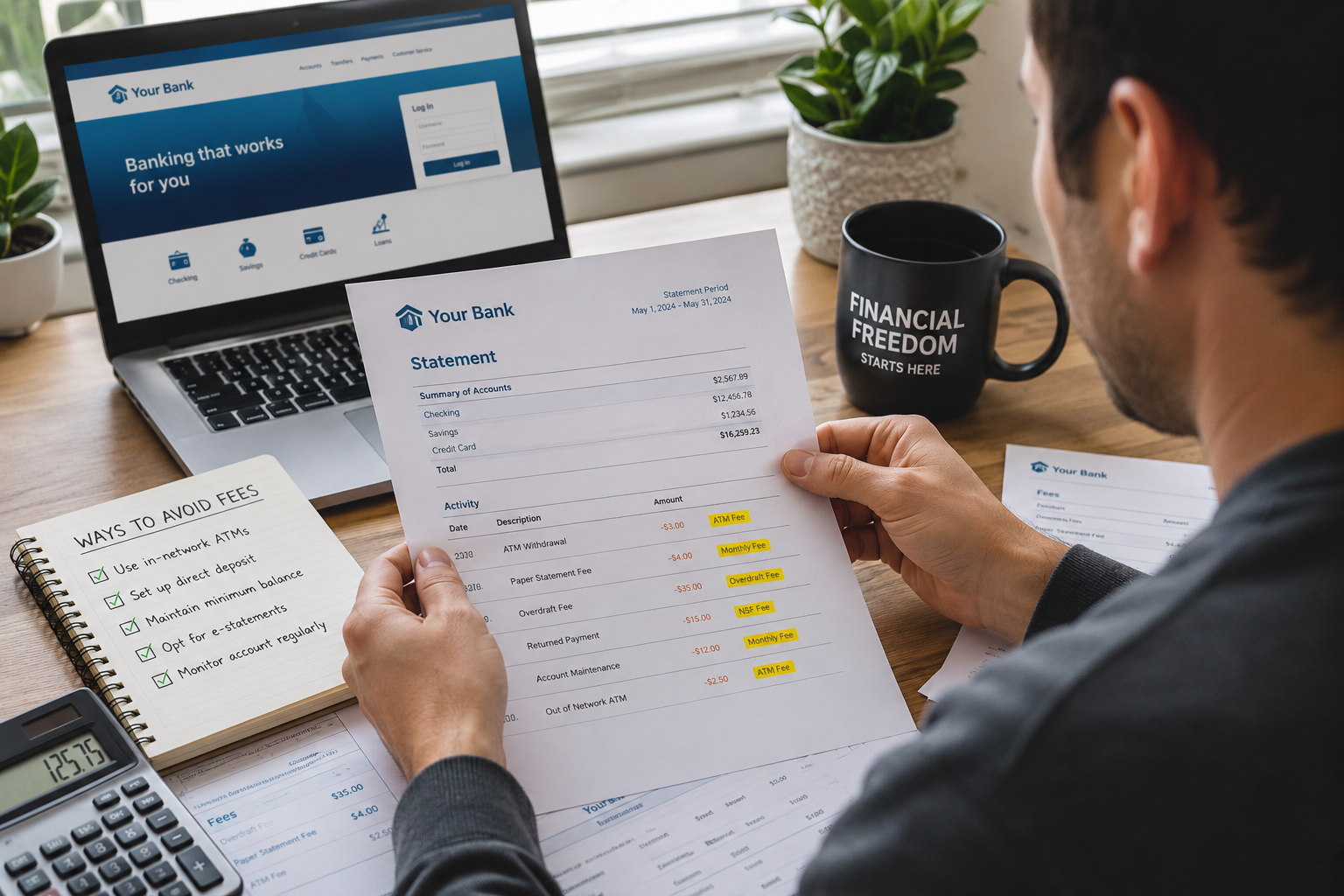
Not all checking accounts are created equal. Some accounts charge monthly fees, while others offer free banking services. Some provide nationwide ATM access, while others have limited networks.
Selecting the right account can help you:
- Avoid unnecessary banking fees
- Access your money more easily
- Improve financial organization
- Enjoy better digital banking tools
- Earn rewards or interest in some cases
For example, imagine Mike, a teacher in Ohio. He frequently travels for work conferences and often withdraws cash while away from home. A checking account with nationwide ATM fee reimbursements could save him hundreds of dollars each year compared to an account with limited ATM access.
Key Features to Look for in a Checking Account
When comparing options, focus on the features that match your lifestyle and financial habits.
Monthly Maintenance Fees
One of the first things to check is whether the account charges a monthly fee.
Look for:
- No monthly maintenance fees
- Easy fee waiver requirements
- Transparent fee schedules
Many online banks now offer free checking accounts with no hidden costs.
ATM Access
Convenient ATM access is essential for many account holders.
Consider:
- Size of ATM network
- ATM fee reimbursements
- Availability while traveling
If you frequently use cash, this feature should be a top priority.
Mobile and Online Banking
Modern banking should be fast and convenient.
Look for:
- Mobile check deposit
- Real-time transaction alerts
- Bill pay services
- Account monitoring tools
Strong mobile banking can save time and improve financial management.
Direct Deposit Options
Most employers in the United States offer direct deposit.
Benefits include:
- Faster paycheck access
- Improved convenience
- Reduced risk of lost checks
Some banks even offer early direct deposit features.
Overdraft Protection
Unexpected expenses happen.
Check whether the bank offers:
- Low overdraft fees
- Overdraft protection transfers
- Grace periods
- Fee-free overdraft options
Understanding these policies can prevent costly surprises.
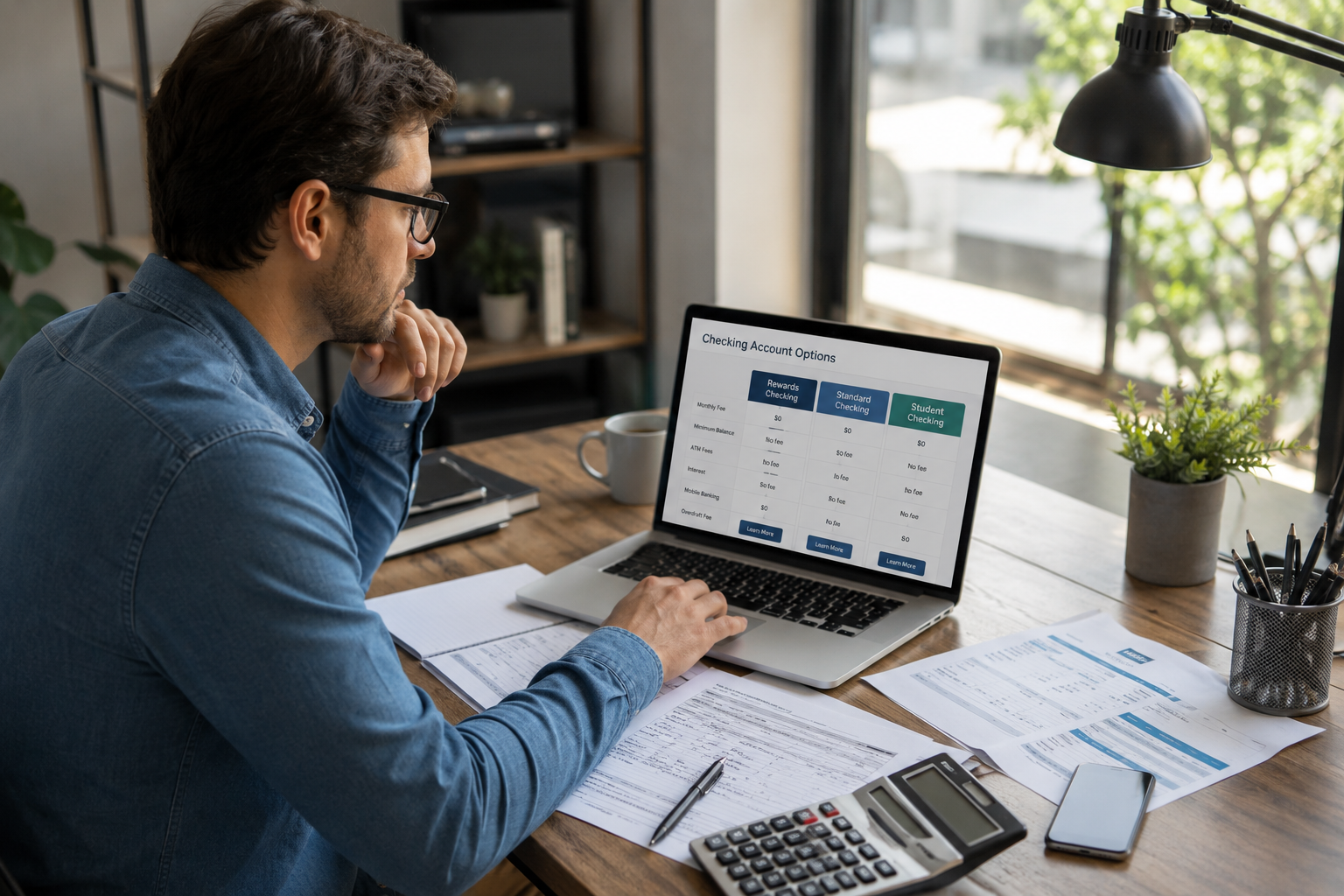
Types of Checking Accounts Available
Different checking accounts serve different purposes.
Standard Checking Accounts
These are the most common accounts used for everyday spending and bill payments.
Best for:
- Most adults
- General money management
- Daily banking needs
Student Checking Accounts
Designed for younger customers and college students.
Often include:
- Lower fees
- Easy account access
- Educational financial tools
Interest-Bearing Checking Accounts
Some checking accounts pay interest on balances.
Best for:
- Higher account balances
- People seeking extra earnings
- Long-term account holders
Premium Checking Accounts
These accounts may provide extra benefits such as:
- Higher transaction limits
- Financial planning services
- Travel perks
- Priority customer support
However, they often require larger balances.
Real-Life Example: Choosing the Right Account
Consider two different Americans:
Sarah – Young Professional
Sarah lives in Chicago and primarily uses her smartphone for banking.
Her ideal account includes:
- Mobile banking tools
- No monthly fees
- Mobile check deposit
- Online bill payment
Robert – Frequent Traveler
Robert works remotely and travels across several states every month.
His priorities include:
- Nationwide ATM access
- ATM fee reimbursements
- Strong fraud protection
- Reliable customer support
Although both need checking accounts, their ideal choices are very different.
This is why understanding your personal banking habits is so important.
Step-by-Step Guide to Choosing the Right Checking Account
If you’re wondering how to choose the right checking account for your needs, follow these practical steps.
Step 1: Identify Your Banking Habits
Ask yourself:
- Do I use cash often?
- Do I travel frequently?
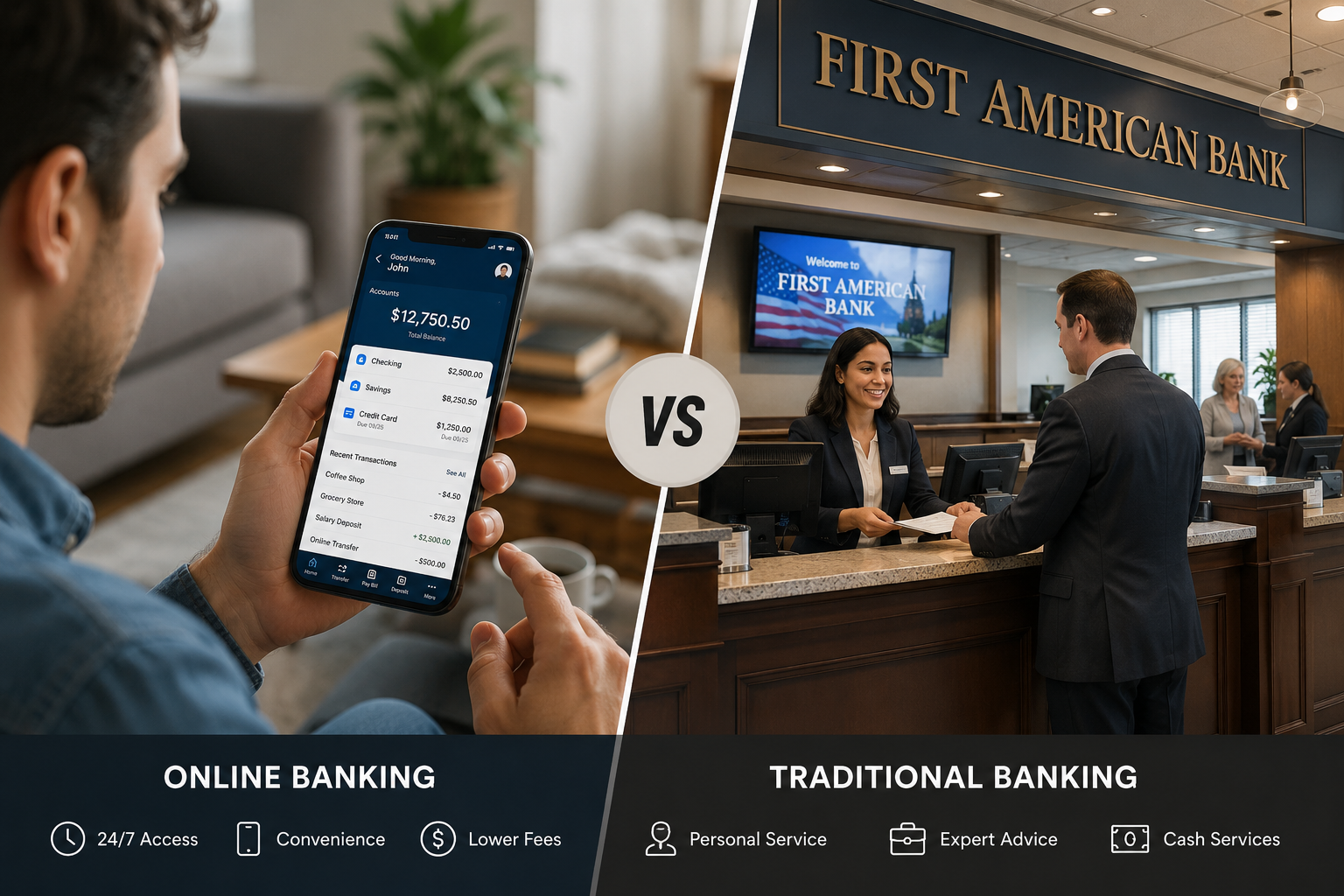
- Do I prefer online banking?
- Do I visit physical branches?
Your answers will narrow your options.
Step 2: Compare Fees
Review:
- Monthly fees
- ATM fees
- Overdraft charges
- Foreign transaction fees
Lower fees help keep more money in your pocket.
Step 3: Evaluate Digital Features
Check whether the bank offers:
- Mobile apps
- Budgeting tools
- Account alerts
- Online transfers
Digital convenience has become a major factor for many Americans.
Step 4: Review Customer Service
Good customer support can be extremely valuable when problems arise.
Look for:
- 24/7 support
- Live chat options
- Positive customer reviews
Step 5: Check Security Features
Strong security is essential.
Important features include:
- Two-factor authentication
- Fraud monitoring
- Instant transaction notifications
- Debit card controls
Step 6: Open the Account and Set Up Direct Deposit
Once you’ve selected the right account, establish direct deposit and set up online banking features to maximize convenience.
Common Mistakes to Avoid
Many people make avoidable mistakes when opening a checking account.
Choosing Based Only on Promotions
Sign-up bonuses can be attractive, but long-term fees and features matter more.
Ignoring ATM Costs
Frequent out-of-network ATM usage can become expensive.
Overlooking Mobile Banking Quality
A poor banking app can create frustration and inconvenience.
Not Reading the Fine Print
Always review account terms before opening an account.
Keeping Too Many Unused Accounts
Managing multiple inactive accounts can make finances more complicated and increase the risk of fees.
FAQ
1. What is the best checking account for everyday use?
The best account depends on your personal needs, but many people prefer accounts with low fees, strong mobile banking, and easy ATM access.
2. Can I open a checking account online?
Yes. Many banks allow customers to open accounts entirely online within minutes.
3. Are online checking accounts safe?
Yes. Reputable banks use advanced security measures and federal deposit insurance protections.
4. Do checking accounts earn interest?
Some do. Interest-bearing checking accounts can help you earn money on your balance, although rates vary.
5. How much money do I need to open a checking account?
Requirements differ by bank. Many institutions offer accounts with little or no minimum opening deposit.
6. What happens if I overdraw my checking account?
Depending on the bank’s policy, you may incur overdraft fees or have transactions declined.
Conclusion
Learning how to choose the right checking account for your needs can help you save money, simplify your finances, and gain access to valuable banking tools. The best account is not necessarily the one with the biggest promotion or the most advertisements—it is the one that fits your lifestyle, spending habits, and financial goals.
By comparing fees, ATM access, digital features, customer service, and security protections, you can confidently select a checking account that supports your everyday financial needs. A little research today can lead to better banking experiences and greater financial confidence for years to come.
Call to Action (CTA): Encourage readers to explore more articles on the website.
Want more practical money-saving tips and personal finance advice? Explore our latest articles on banking, savings, insurance, investing, home improvement, and financial planning to help you make smarter financial decisions every day.