Introduction
Banking has changed dramatically over the past decade. Today, Americans can manage their finances from a smartphone, deposit checks without visiting a branch, and transfer money within seconds. At the same time, traditional banks continue to provide face-to-face service, physical branches, and personalized support that many customers still value.
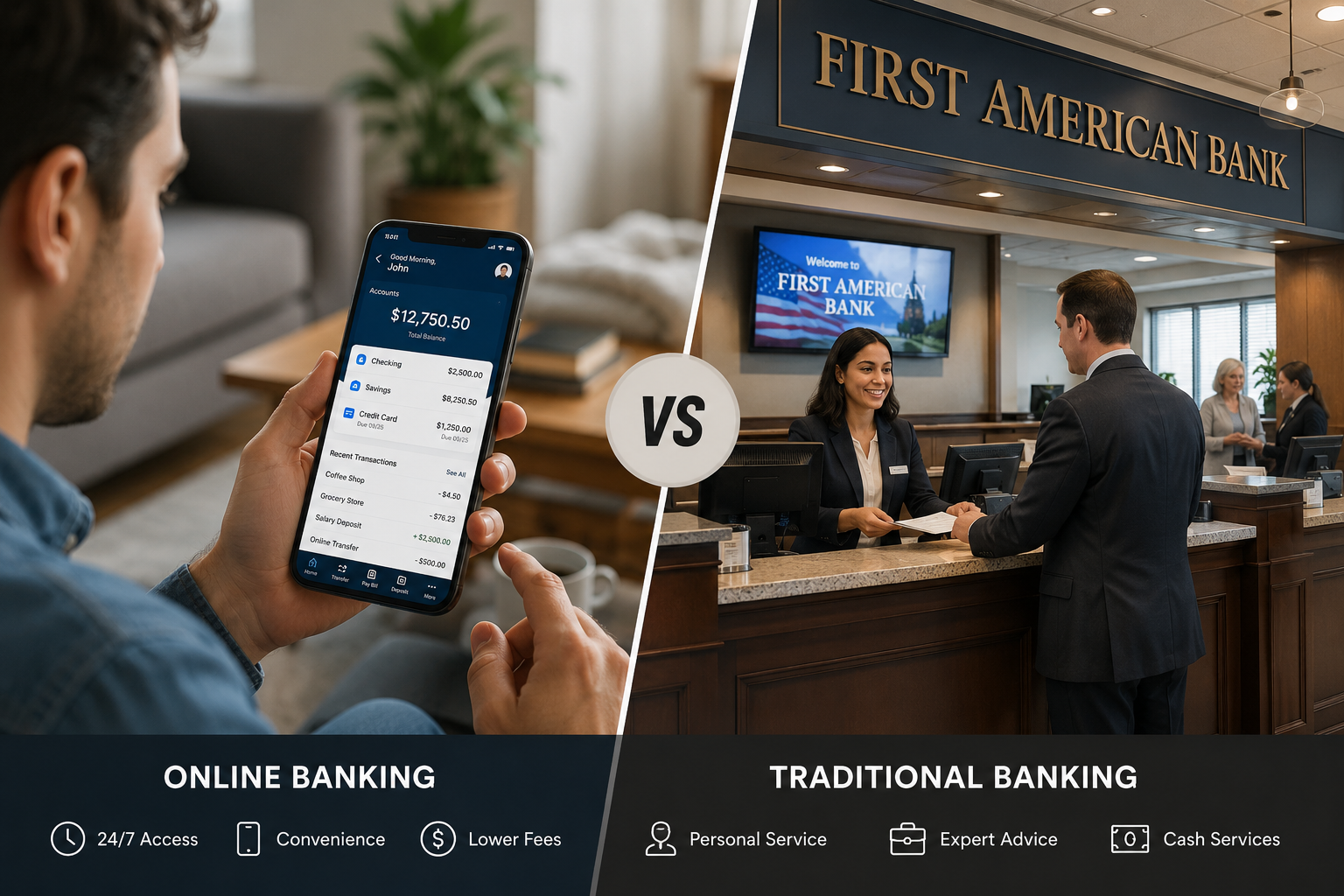
This shift has created an important question for consumers: Online Banking vs Traditional Banking: Which Is Better?
The answer depends on your lifestyle, financial goals, and personal preferences. While some people enjoy the convenience and lower fees of online banking, others prefer the security and human interaction offered by traditional banks.
In this guide, we’ll compare both banking options, examine their advantages and disadvantages, and help you determine which choice is best for your needs in 2026.
What Is Online Banking?
Online banking refers to financial institutions that primarily operate through websites and mobile apps rather than physical branch locations.
Customers can perform most banking tasks digitally, including:
- Checking account balances
- Depositing checks
- Paying bills
- Transferring money
- Opening new accounts
- Managing savings and investments
Many online banks offer competitive interest rates because they have lower operating costs than traditional banks.
What Is Traditional Banking?
Traditional banks operate through physical branch locations where customers can meet with bank representatives in person.
Services typically include:
- Checking and savings accounts
- Personal loans
- Mortgage services
- Investment guidance
- Cash deposits and withdrawals
- Financial consultations
Large national banks and local community banks both fall into this category.
Online Banking vs Traditional Banking: Key Differences
When comparing online banking vs traditional banking, several factors stand out.
Accessibility
Online Banking
- Available 24/7
- Accessible from anywhere with internet access
- Mobile apps provide instant account management
Traditional Banking
- Limited to branch hours
- In-person assistance available
- Easier for customers who prefer face-to-face interactions
For busy professionals, online banking often provides greater convenience.
Fees and Account Costs
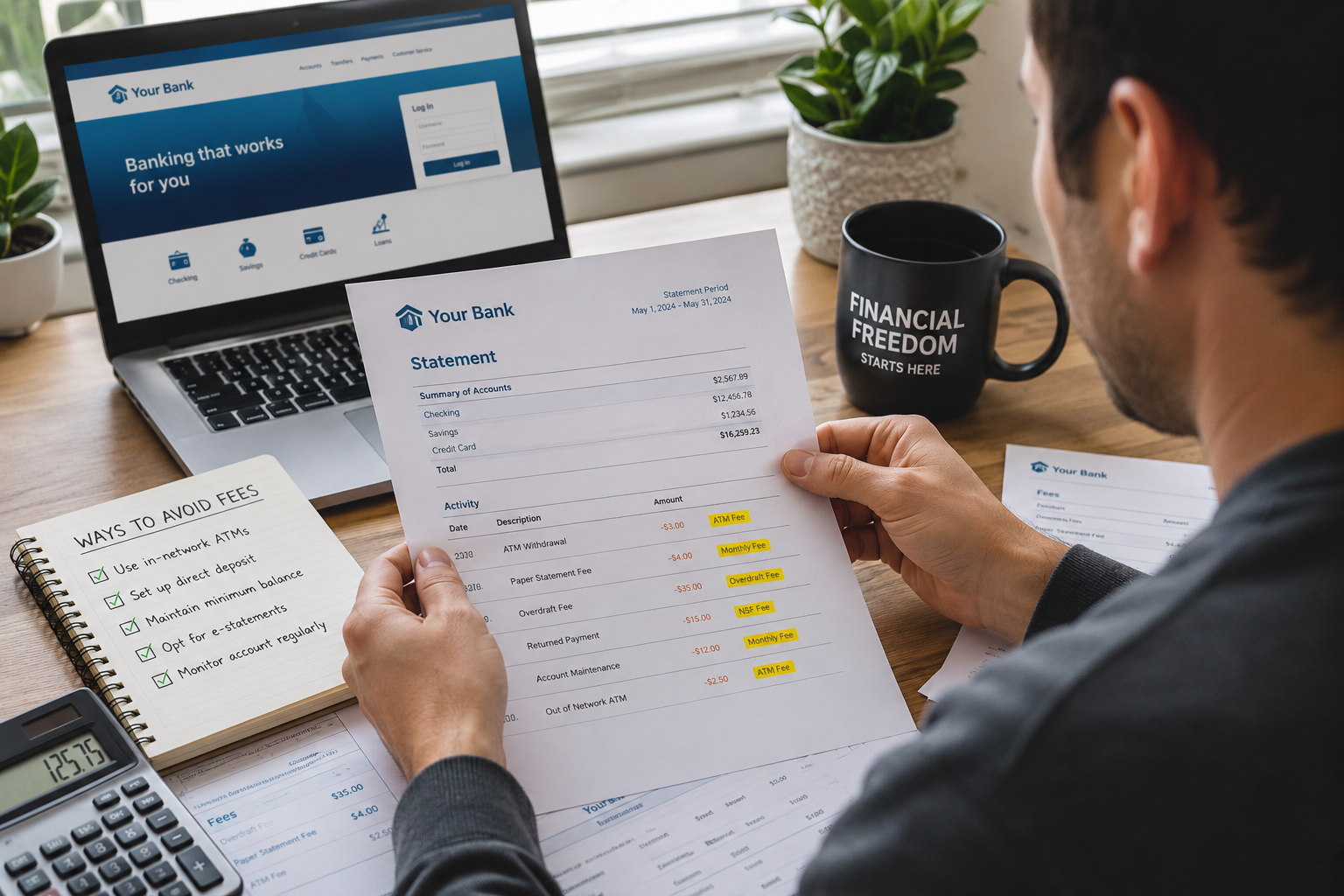
One major reason many Americans switch to online banks is lower fees.
Online Banks
Often offer:
- No monthly maintenance fees
- Lower overdraft fees
- Free transfers
- Reduced account costs
Traditional Banks
May charge:
- Monthly service fees
- ATM fees
- Minimum balance penalties
- Additional service charges
However, fee structures vary significantly between institutions.
Interest Rates and Savings Growth
Interest rates are another major difference.
Online Banks
Many online banks provide:
- Higher savings account yields
- Competitive certificate of deposit (CD) rates
- Better returns on cash deposits
Traditional Banks
Traditional banks sometimes offer lower savings rates because of higher operating expenses.
For Americans focused on growing savings, online banking often has an advantage.
Customer Service Experience
Customer support can influence your banking satisfaction.
Online Banking Support
Most online banks offer:
- Live chat
- Email support
- Phone assistance
- Virtual help centers
Traditional Banking Support
Traditional banks provide:
- In-person meetings
- Relationship banking
- Personalized guidance
- Immediate branch assistance
For complex issues such as mortgage applications or estate planning, face-to-face support can be valuable.
Security and Safety
Many consumers worry about security when considering digital banking.
The good news is that both online and traditional banks use advanced security measures.
Common protections include:
- Encryption technology
- Multi-factor authentication
- Fraud monitoring
- FDIC insurance protection
Online banking is generally very safe when customers follow basic cybersecurity practices.
Real-Life Example: Online Banking
Jessica lives in Austin, Texas, and works remotely.
Her banking priorities include:
- Mobile deposits
- Fast transfers
- No monthly fees
- High-yield savings options
Because she rarely visits a bank branch, an online bank fits her lifestyle perfectly.
She manages nearly all her financial tasks from her smartphone and enjoys earning higher interest on her savings.
Real-Life Example: Traditional Banking
David owns a small business in Ohio.
His banking needs include:
- Frequent cash deposits
- Business loan consultations
- In-person financial advice
- Local branch access
A traditional bank serves him better because he regularly interacts with banking professionals and handles cash transactions.
Pros and Cons of Online Banking
Advantages
- Higher savings interest rates
- Lower fees
- Convenient mobile banking
- Easy account management
- 24/7 access
Disadvantages
- No physical branches
- Limited face-to-face support
- Cash deposits can be more difficult
- Some services may require phone assistance
Pros and Cons of Traditional Banking
Advantages
- In-person customer service
- Branch access
- Easier cash transactions
- Personalized financial guidance
- Strong local relationships
Disadvantages
- Higher fees in some cases
- Lower savings rates
- Limited branch hours
- More overhead-related costs
How to Choose the Right Banking Option
If you’re deciding between online banking vs traditional banking, follow these practical steps.
Step 1: Evaluate Your Banking Habits
Ask yourself:
- Do I frequently visit bank branches?
- Do I use cash often?
- Am I comfortable with digital tools?
Your daily habits will help identify the better fit.
Step 2: Compare Fees
Review:
- Monthly account fees
- ATM charges
- Overdraft costs
- Transfer fees
Lower fees can save money over time.
Step 3: Consider Customer Support Needs
If you value personal relationships and face-to-face conversations, traditional banking may be preferable.
If you prefer self-service convenience, online banking could be the better option.
Step 4: Compare Interest Rates
For savers, higher yields can significantly increase earnings over time.
Always compare savings and checking account rates before choosing a bank.
Step 5: Review Technology Features
Look for:
- Mobile banking apps
- Account alerts
- Budgeting tools
- Digital payment options
Strong technology can improve your overall banking experience.
Can You Use Both?
Absolutely.
Many Americans combine both banking styles.
For example:
- Use an online bank for savings and higher interest rates.
- Use a traditional bank for checking accounts and branch access.
This hybrid approach allows customers to enjoy the benefits of both options.
Frequently Asked Questions (FAQ)
1. Is online banking safer than traditional banking?
Both are generally safe when using reputable financial institutions that provide strong security measures and federal deposit insurance.
2. Do online banks charge fewer fees?
Many online banks offer lower fees because they have fewer operating expenses than traditional banks.
3. Can I deposit cash into an online bank account?
Some online banks allow cash deposits through partner networks, but the process may not be as convenient as visiting a traditional bank branch.
4. Are traditional banks becoming outdated?
No. Many consumers still value branch access, personalized support, and in-person banking services.
5. Which option is better for saving money?
Online banks often provide higher interest rates on savings accounts, making them attractive for growing cash reserves.
6. Can I switch banks easily?
Yes. Most banks make it relatively simple to open a new account and transfer funds from an existing institution.
Conclusion
The debate over online banking vs traditional banking doesn’t have a one-size-fits-all answer. The best choice depends on how you manage your money, your comfort with technology, and the services you need most.
If you prioritize convenience, lower fees, and higher savings rates, online banking may be the better option. If you value personal relationships, branch access, and face-to-face support, traditional banking could be the right fit.
Take time to evaluate your financial habits, compare account features, and choose a banking solution that supports your long-term goals. The right banking partner can make managing money easier, more efficient, and more rewarding.
Call to Action (CTA): Encourage readers to explore more articles on the website.
Looking for more personal finance tips, banking guides, insurance advice, and money-saving strategies? Explore more articles on our website and discover practical ways to improve your financial future today.