
Introduction
Building wealth is a goal shared by millions of Americans, but many people struggle to determine the best path forward. With constant news about stock market fluctuations, inflation concerns, and economic uncertainty, it’s easy to become overwhelmed or postpone investing altogether.
The reality is that wealth is rarely built overnight. Most financially successful individuals achieve their goals through patience, discipline, and consistent investing over many years. This is where long-term investment strategies for building wealth become incredibly valuable.
A well-planned long-term investment approach can help you grow your money, prepare for retirement, fund major life goals, and create financial security for the future. Whether you’re just beginning your investing journey or looking to improve your current strategy, understanding the principles of long-term investing can make a significant difference.
In this guide, we’ll explore proven wealth-building strategies, common mistakes to avoid, and practical steps Americans can take to achieve long-term financial success.
Why Long-Term Investing Matters
Many people focus on short-term market movements, but long-term investing offers several advantages.
Benefits include:
- Greater wealth-building potential
- Reduced impact of market volatility
- More opportunities for compound growth
- Less emotional decision-making
- Better retirement preparation
Historically, investors who remained focused on long-term goals often benefited from the market’s overall growth despite temporary downturns.
The key is consistency rather than attempting to predict short-term market movements.
Understanding the Power of Compound Growth
One of the most important concepts in investing is compound growth.
Compound growth occurs when your investment earnings generate additional earnings over time.
For example:
- You invest money.
- The investment grows.
- Future growth occurs on both the original investment and previous gains.
Over many years, this effect can significantly increase wealth.
This is one reason why starting early is often more important than investing large amounts later in life.
Set Clear Financial Goals Before Investing
Successful investing begins with clear objectives.
Ask yourself:
- Are you saving for retirement?
- Planning to buy a home?
- Building a college fund?
- Seeking financial independence?
Your goals will influence your investment decisions, time horizon, and risk tolerance.
Investors with clear goals often find it easier to remain committed during market ups and downs.
Diversification: A Foundation of Long-Term Investing
Diversification is one of the most widely recommended long-term investment strategies for building wealth.
Instead of putting all your money into a single investment, diversification spreads risk across multiple assets.
Examples include:
- U.S. stocks
- International stocks
- Bonds
- Real estate investments
- Index funds
- Exchange-traded funds (ETFs)
Diversification can help reduce the impact of poor performance in any single investment.
Invest Consistently Over Time
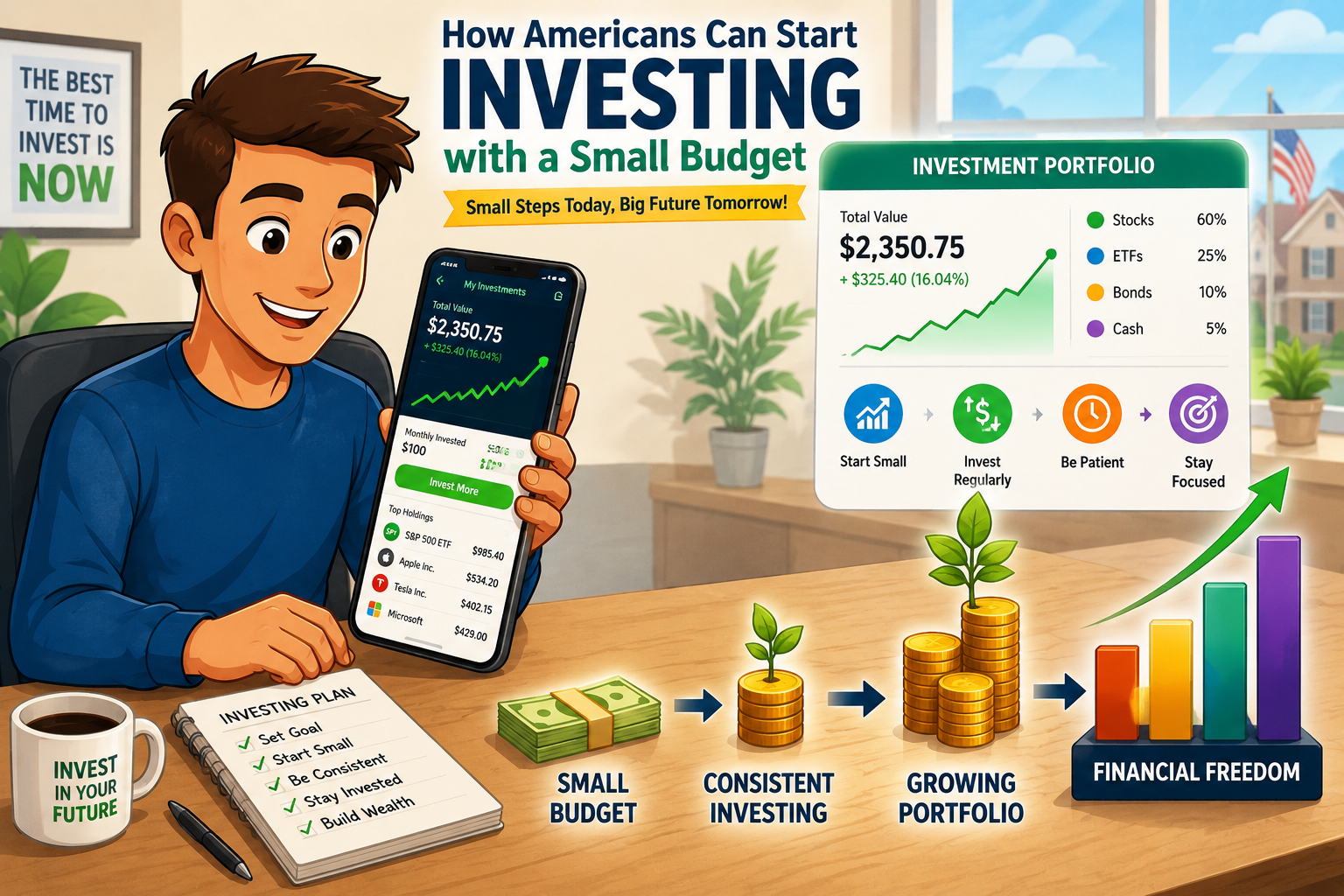
Many successful investors follow a simple principle: invest regularly.
Rather than waiting for the perfect market conditions, they contribute money on a consistent schedule.
Benefits of regular investing include:
- Building discipline
- Reducing emotional decisions
- Creating long-term habits
- Taking advantage of market opportunities over time
Consistency often matters more than trying to perfectly time the market.
Focus on Low-Cost Investment Options
Investment costs may seem small, but they can affect long-term returns.
Many investors choose:
- Index funds
- ETFs
- Low-cost retirement accounts
These options often provide:
- Broad diversification
- Lower fees
- Simpler portfolio management
Reducing investment expenses allows more of your money to remain invested and working toward your goals.
Real-Life Example: The Power of Patience
Consider Jennifer, a 30-year-old accountant living in North Carolina.
Instead of trying to find the next hot stock, she focused on a long-term strategy.
Her approach included:
- Monthly contributions
- Diversified investments
- Reinvesting earnings
- Ignoring short-term market noise
Over the years, her portfolio steadily grew despite experiencing market corrections and economic uncertainty.
Jennifer’s success wasn’t based on luck—it was the result of discipline and patience.
Reinvest Dividends for Greater Growth
Many investments distribute dividends.
Instead of spending these payments, long-term investors often reinvest them.
Benefits of dividend reinvestment include:
- Purchasing additional shares
- Accelerating compound growth
- Increasing long-term wealth potential
Over decades, reinvested dividends can contribute significantly to overall portfolio growth.
Avoid Emotional Investing
One of the biggest threats to long-term success is emotional decision-making.
Common emotional reactions include:
Fear During Market Declines
Some investors sell during downturns, locking in losses.
Excitement During Market Rallies
Others buy investments solely because prices are rising rapidly.
Successful long-term investors typically focus on their goals rather than short-term headlines.
Build a Retirement-Focused Investment Strategy
Retirement planning remains one of the most important reasons Americans invest.
A retirement-focused strategy can help:
- Replace employment income
- Maintain lifestyle goals
- Reduce financial stress later in life
Long investment timelines often provide greater opportunities for growth and recovery from temporary market declines.
Step-by-Step Guide to Building Wealth Through Investing
If you’re ready to implement long-term investment strategies for building wealth, follow these practical steps.
Step 1: Create an Emergency Fund
Before investing heavily, establish savings for unexpected expenses.
Step 2: Define Your Goals
Determine exactly what you’re investing for.
Step 3: Open an Investment Account
Choose an account that aligns with your goals and investment preferences.
Step 4: Diversify Your Investments
Avoid concentrating your money in a single asset.
Step 5: Invest Consistently
Set up automatic contributions whenever possible.
Step 6: Review Progress Annually
Periodic reviews help ensure your strategy remains aligned with your goals.
Step 7: Stay Patient
Long-term wealth building requires time and discipline.
Common Mistakes to Avoid
Many investors make mistakes that slow their progress.
Trying to Time the Market
Consistently predicting market highs and lows is extremely difficult.
Ignoring Fees
High fees can reduce long-term returns.
Chasing Investment Trends
Popular investments are not always suitable for long-term goals.
Lack of Diversification
Concentrated portfolios carry greater risk.
Stopping Investments During Market Volatility
Market fluctuations are normal and expected.
Additional Tips for Long-Term Success
Consider these habits:
- Continue learning about investing
- Maintain realistic expectations
- Review goals periodically
- Stay focused on long-term objectives
- Avoid reacting to daily market news
- Keep investment costs low
These simple practices can strengthen your overall investment strategy.
Frequently Asked Questions (FAQ)
1. What is the best long-term investment strategy?
The best strategy depends on individual goals, but diversification, consistency, and patience are common characteristics of successful long-term investing.
2. How long should I invest to build wealth?
Many financial goals involve investment periods of 10 years or longer, though individual timelines vary.
3. Is long-term investing safer than short-term trading?
While all investments involve risk, long-term investing generally reduces the impact of short-term market volatility.
4. Should I continue investing during market downturns?
Many long-term investors continue investing consistently regardless of market conditions.
5. How often should I review my investments?
Annual or periodic reviews are often sufficient for long-term investors.
6. Can I build wealth with small investments?
Yes. Consistent contributions combined with time and compound growth can produce meaningful results.
Conclusion
Implementing effective long-term investment strategies for building wealth is one of the most powerful steps Americans can take toward financial security and independence. While market fluctuations and economic uncertainty are inevitable, a disciplined long-term approach can help investors stay focused on their goals.
By diversifying investments, contributing consistently, reinvesting earnings, controlling costs, and avoiding emotional decisions, you can create a strategy designed for lasting success. Wealth building is rarely about finding shortcuts—it’s about making smart decisions repeatedly over time.
Remember, every successful investor started somewhere. The most important step is beginning your journey and staying committed to your long-term financial goals.
Call to Action (CTA): Encourage readers to explore more articles on the website.
Looking for more investing and personal finance insights? Explore more articles on our website for expert guidance on retirement planning, stock market investing, budgeting, wealth building, and achieving long-term financial success.