Introduction
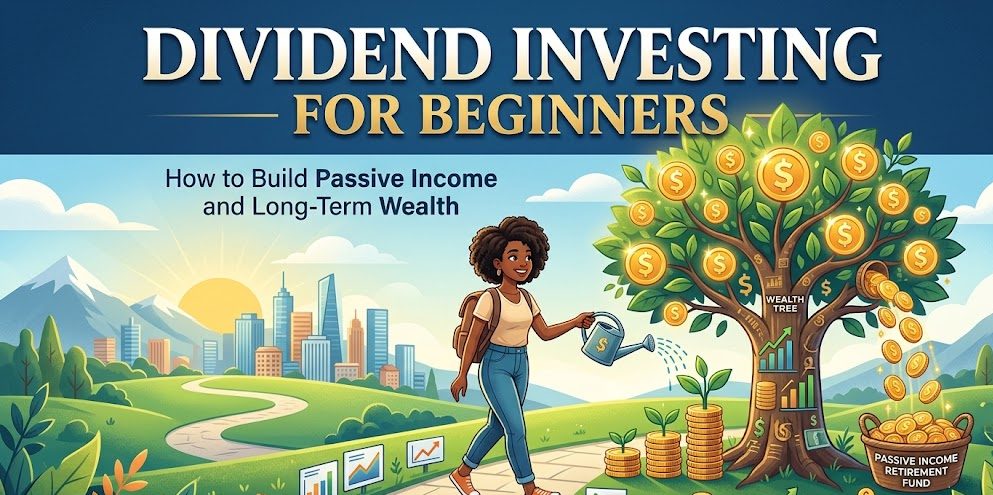
Imagine receiving money from your investments without selling anything. For many Americans, that idea sounds like a dream. However, dividend investing makes it possible. While many people focus only on buying stocks that might increase in value, experienced investors often look for companies that regularly share profits with shareholders through dividends.
Dividend investing has become increasingly popular because it offers two potential benefits: the opportunity for long-term growth and the possibility of earning passive income. Whether you’re saving for retirement, building wealth, or looking for an additional income stream, dividend investing can be an effective strategy.
In this guide, you’ll learn how dividend investing works, why it appeals to so many investors, and how beginners can get started with confidence.
What Is Dividend Investing?
Dividend investing is a strategy that focuses on buying shares of companies that regularly pay dividends.
A dividend is a payment made by a company to its shareholders, usually from profits. These payments are often distributed quarterly, although some companies may pay monthly or annually.
When you own dividend-paying stocks, you may receive cash payments simply for holding your shares.
This makes dividend investing attractive to people who want both income and long-term growth potential.
Why Dividend Investing Is Popular
Many investors choose dividend stocks because they offer benefits beyond stock price appreciation.
Some key advantages include:
- Potential passive income
- Long-term wealth building
- Dividend reinvestment opportunities
- Lower portfolio volatility
- Income during retirement
Dividend-paying companies are often established businesses with strong financial histories, making them appealing to conservative investors.
How Dividends Work
When a company earns profits, management can decide how to use that money.
Common options include:
- Expanding the business
- Paying down debt
- Buying back shares
- Distributing dividends
For example, if a company pays a quarterly dividend, eligible shareholders receive payments based on the number of shares they own.
The more shares you own, the larger your dividend payments may be.
The Power of Dividend Reinvestment
One of the most effective wealth-building strategies is dividend reinvestment.
Instead of spending dividend payments, investors use them to purchase additional shares.
Benefits include:
- Faster portfolio growth
- Increased future dividend payments
- Greater compound growth potential
Over many years, reinvesting dividends can significantly increase total investment returns.
What Makes a Good Dividend Stock?
Not all dividend-paying companies are equal.
Strong dividend investments often share several characteristics.
Consistent Dividend History
Look for companies that have paid dividends consistently over many years.
Stable Earnings
Reliable profits help support future dividend payments.
Reasonable Payout Ratios
Companies should maintain a healthy balance between paying dividends and reinvesting in growth.
Strong Financial Health
Healthy balance sheets can help companies continue paying dividends during economic downturns.
Real-Life Example: Building Passive Income
Consider Michael, a 35-year-old engineer from Texas.
Instead of chasing fast-growing speculative stocks, he focused on building a portfolio of dividend-paying companies.
His strategy included:
- Investing monthly
- Reinvesting dividends
- Staying invested long term
- Diversifying across industries
Over time, his dividend income steadily increased. As his portfolio grew, the dividends generated additional investment opportunities.
The process wasn’t exciting overnight, but it helped create a strong financial foundation.
Dividend Stocks vs Growth Stocks
Many investors compare dividend stocks with growth stocks.
Dividend Stocks
Typically offer:
- Regular income
- Greater stability
- Established businesses
- Long-term wealth potential
Growth Stocks
Typically focus on:
- Rapid expansion
- Higher growth potential
- Reinvesting profits
- Less emphasis on dividend payments
Many investors choose a combination of both approaches for balance.
Benefits of Dividend Investing
Dividend investing can provide several advantages.
Passive Income Potential
Regular dividend payments can supplement income.
Compound Growth
Reinvested dividends can accelerate portfolio growth.
Lower Emotional Stress
Dividend investors often focus less on daily market fluctuations.
Long-Term Wealth Building
Consistent investing combined with dividend reinvestment can create significant wealth over time.
Retirement Support
Dividend income may become a valuable source of retirement cash flow.
Common Mistakes New Dividend Investors Make
Beginners often make avoidable errors.
Chasing High Dividend Yields
A very high yield isn’t always a good sign.
Sometimes unusually high yields indicate financial problems.
Ignoring Diversification
Investing heavily in a single company increases risk.
Focusing Only on Income
Strong dividend growth can be just as important as current income.
Reacting to Short-Term Market News
Successful dividend investing usually requires patience and a long-term perspective.
Step-by-Step Guide to Start Dividend Investing
If you’re interested in dividend investing, follow these practical steps.
Step 1: Define Your Goal
Determine whether you want:
- Passive income
- Retirement income
- Long-term growth
- A combination of goals
Step 2: Open an Investment Account
Choose a brokerage account that supports dividend investing.
Step 3: Research Dividend Companies
Focus on businesses with:
- Consistent earnings
- Strong financial health
- Reliable dividend histories
Step 4: Diversify Your Portfolio
Spread investments across different industries.
Step 5: Reinvest Dividends
Consider using dividend reinvestment programs when appropriate.
Step 6: Invest Consistently
Regular investing often produces better results than trying to time the market.
Tips for Long-Term Dividend Investing Success
Successful dividend investors often follow these habits:
- Invest regularly
- Reinvest dividends
- Stay diversified
- Focus on quality companies
- Avoid emotional decisions
- Think long term
These principles can help investors build sustainable wealth over time.
Frequently Asked Questions (FAQ)
1. What is dividend investing?
Dividend investing involves purchasing shares of companies that regularly distribute profits to shareholders through dividend payments.
2. Can beginners invest in dividend stocks?
Yes. Dividend investing is often considered beginner-friendly because it focuses on established companies and long-term investing principles.
3. How often are dividends paid?
Many companies pay dividends quarterly, though payment schedules vary.
4. Is dividend investing safe?
All investments involve risk, but many dividend-paying companies are financially stable businesses with long operating histories.
5. Should I reinvest dividends?
Many investors choose to reinvest dividends to take advantage of compound growth.
6. Can dividend investing create passive income?
Yes. Dividend payments can provide a stream of income while you continue holding your investments.
Conclusion
Dividend investing remains one of the most popular long-term wealth-building strategies for American investors. By focusing on financially strong companies, reinvesting dividends, and maintaining a disciplined approach, investors can potentially build both passive income and long-term wealth.
While no investment strategy guarantees success, dividend investing offers a balanced approach that combines income generation with growth opportunities. The key is staying patient, investing consistently, and focusing on quality investments rather than short-term market noise.
Building wealth rarely happens overnight, but with the right strategy and commitment, dividend investing can play an important role in achieving your financial goals.
Call to Action (CTA): Encourage readers to explore more articles on the website.
Looking for more investing and personal finance insights? Explore more articles on our website for expert tips on stock market investing, retirement planning, passive income strategies, budgeting, and building long-term financial success.